
About Us
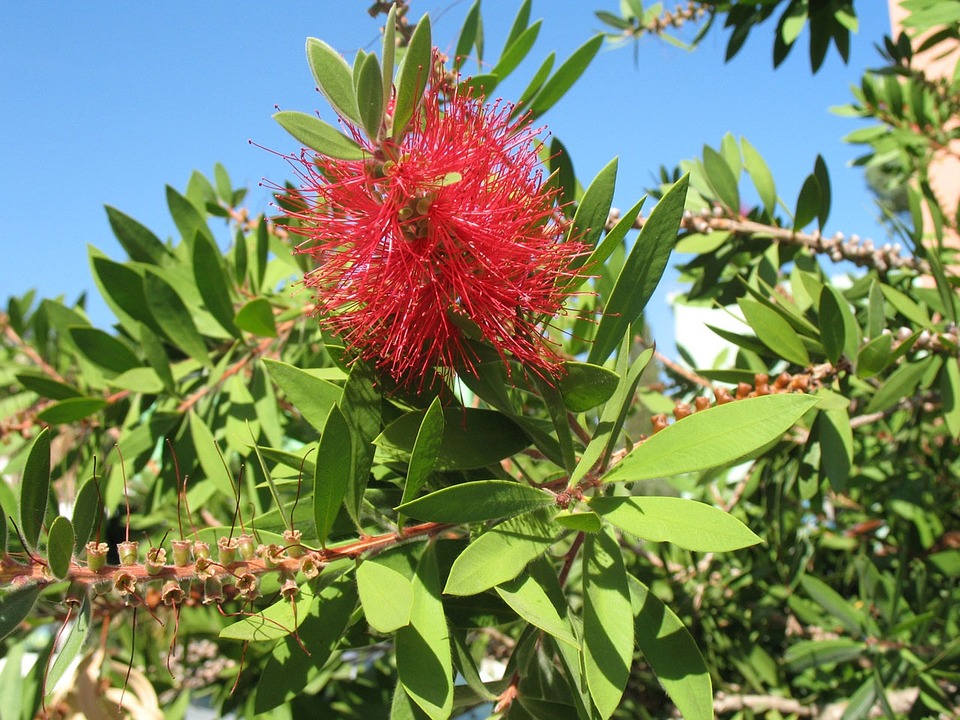
Mercedes-Benz India being located in same habitat, have taken up some of the major step ahead in reclamation of the habitat by planting more scrub land species such as Bauhinia purpurea, Cassia fistula, Zizzipus sp. etc which are of native in origin and belong to the same habitat, illegal logging of which are common in overall scrub habitat is common. These species are ideal for nesting of many bird species and are also food plants for many butterflies and birds, while important and critical part of life cycle of some butterflies and other insects.
Currently, Mercedes-Benz India’s total number of such plant species is more than 65 of which adult/well grown tree individuals within premises are 1400+, while non-adult or semi-adult individuals within the premises are more than 1000+ making it total of around 2500 and the number is growing every year.
This initiative of planting more local/native species is helping in recreating the better habitats for all ecological components and is now acting as major refuge for surrounding fauna. As observed during our ongoing long term Ecological Monitoring program of our premises, following are the numbers:
More than 60% of our planted species are native in origin and majority of them are having great ecological as well as medicinal importance. 2 Keystone species viz. Indian Banyan Tree & Audumber also occur within premise.
The campus mainly provide good nesting habitat for birds such as, Scaly Breasted Munia, Long Tailed Shrike, Indian Robin, Magpie Robin, Baya Weaver Bird, Pied Bushchat, Dusky Crag Martin and Red Vented Bulbul etc.
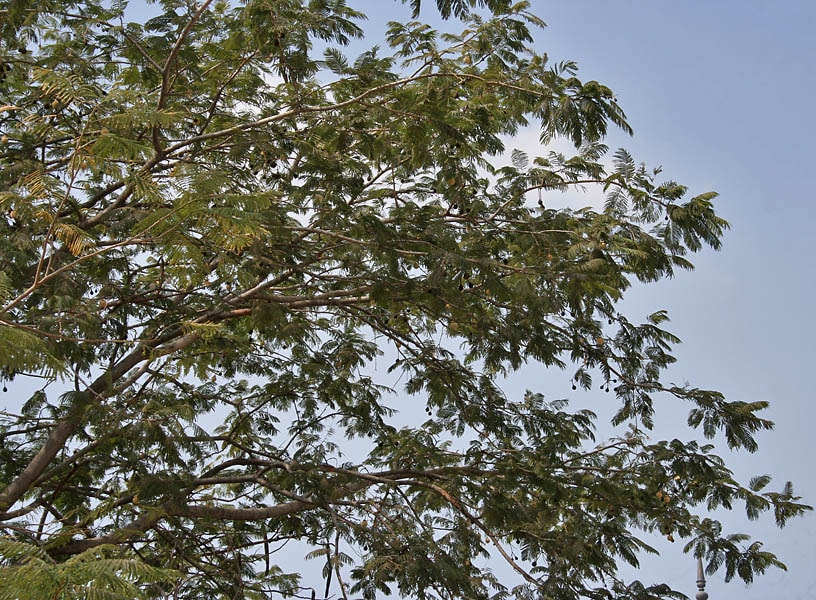
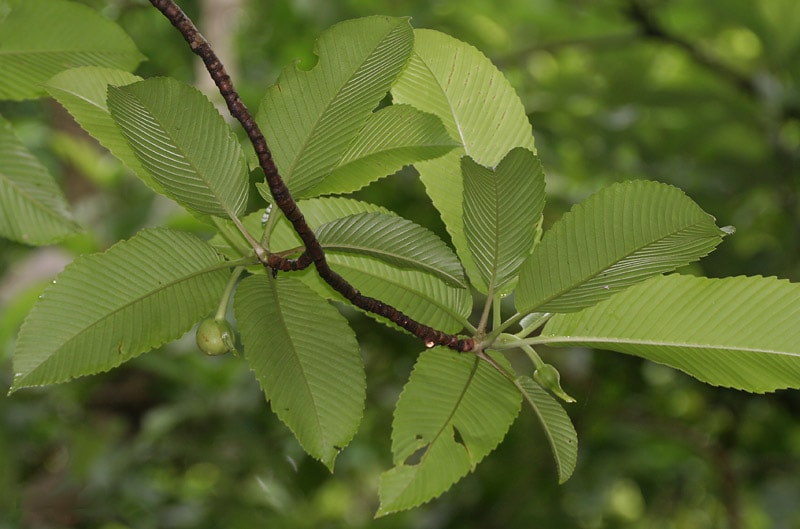
While its feeding and breeding ground for more than 37 bird species out of which 4 are winter migratory and according to studies, overall population of these birds shows decreasing trends, while Mercedes-Benz India’s carefully chosen plant species is providing favorable habitats for these birds. Other than birds, as mentioned above, these plants are important source for food and life cycle of many butterflies. We have reported 25 species of butterflies at the beginning of our Ecological Monitoring program out of which 2 are on higher protection preference of Wildlife Protection Act of India.
Compare to surrounding overall vegetation support for above mentioned species, MB India’s habitat is more supportive as feeding and breeding ground for fauna and have observed to be more fauna attractant than others.